Top 10 Healthy Foods for a Balanced and Active Lifestyle
1. Leafy Green Vegetables
Leafy green vegetables such as spinach, kale, collard greens, and other similar vegetables are excellent additions to a healthy diet. They are generally low in calories while providing important nutrients and dietary fiber.
Many leafy greens contain nutrients such as vitamin K, folate, vitamin C, and vitamin A-related compounds. Their fiber content can also contribute to a healthy digestive system.
How to Include Leafy Greens
- Add spinach or other greens to salads.
- Mix chopped greens into soups and curries.
- Add spinach to smoothies in moderate amounts.
- Use leafy vegetables as a side dish with meals.
Using a variety of vegetables rather than relying on just one type can provide a broader range of nutrients.
2. Eggs
Eggs are a convenient source of high-quality protein and contain several vitamins and minerals. They can be prepared in many different ways, making them a practical food for breakfast, lunch, or dinner.
Eggs contain nutrients such as vitamin B12, selenium, choline, and protein. The yolk contains many of the egg’s nutrients, so there is generally no need to remove it unless a healthcare professional has advised you to do so for a specific reason.
Healthy Ways to Eat Eggs
- Boiled eggs with vegetables.
- Vegetable omelets.
- Scrambled eggs with whole-grain toast.
- Eggs added to balanced meals.
Cooking methods matter. Boiling, poaching, or using limited amounts of cooking oil can be preferable to heavily frying eggs.
3. Oats
Oats are a popular whole grain that can make a nutritious breakfast. They provide carbohydrates for energy and contain dietary fiber, including beta-glucan.
Plain oats are generally a better everyday choice than highly sweetened instant oatmeal products. You can customize oats with fruits, nuts, seeds, or plain yogurt for additional nutrients.
Simple Oatmeal Ideas
- Oats with banana and nuts.
- Oatmeal with berries and seeds.
- Overnight oats with plain yogurt.
- Savory oats with vegetables and herbs.
Choosing minimally processed oats and controlling added sugar can make oatmeal a useful part of a balanced diet.
4. Fatty Fish
Fatty fish such as salmon, sardines, and mackerel are known for providing protein and omega-3 fatty acids. These essential fats play important roles in normal body functions.
Fish can also provide nutrients such as vitamin D, vitamin B12, selenium, and other minerals. Including fish as part of a balanced eating pattern can add variety to protein sources.
Tips for Eating Fish
- Choose grilled, baked, steamed, or lightly cooked fish.
- Pair fish with vegetables and whole grains.
- Choose a variety of seafood when possible.
- Follow local guidance regarding fish choices and mercury exposure.
People who do not eat fish can discuss alternative sources of omega-3 fats with a qualified nutrition professional.
5. Nuts and Seeds
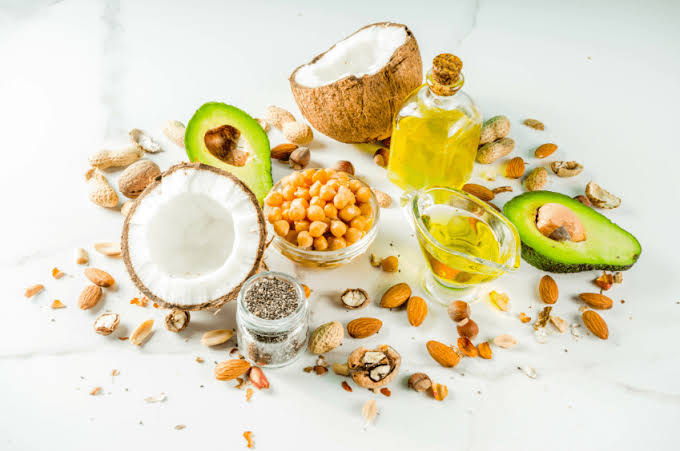
Nuts and seeds are small foods with a high concentration of nutrients. Almonds, walnuts, peanuts, chia seeds, flaxseeds, and pumpkin seeds can provide protein, fiber, minerals, and unsaturated fats.
Because nuts and seeds are energy-dense, portion size is important. A small serving can provide substantial nutrition without adding excessive calories to the overall diet.
Easy Ways to Add Nuts and Seeds
- Sprinkle seeds over oatmeal or yogurt.
- Add chopped nuts to salads.
- Eat a small handful as a snack.
- Use nut butter with whole-grain toast.
Whenever possible, choose unsalted or lightly salted varieties without excessive added sugar.
6. Berries and Other Fresh Fruits
Fruits provide naturally occurring carbohydrates, fiber, vitamins, minerals, and various plant compounds. Berries such as strawberries, blueberries, raspberries, and blackberries can be especially useful additions to meals because they provide fiber and a variety of beneficial plant compounds.
Other fruits such as apples, oranges, bananas, guava, papaya, and mango can also be part of a balanced diet. The best approach is to eat a variety of fruits rather than focusing on a single “superfood.”
Healthy Fruit Ideas
- Fresh fruit as a snack.
- Fruit added to plain yogurt.
- Chopped fruit with oats.
- Fresh fruit included with breakfast.
Whole fruit is generally more filling than fruit juice because it retains its fiber. This makes whole fruit a practical everyday choice.
7. Greek Yogurt and Other Fermented Dairy Foods
Plain Greek yogurt can provide protein, calcium, and other nutrients. Some yogurt products also contain live cultures. Dairy foods can be useful sources of nutrients, although individual nutritional needs and tolerances vary.
When choosing yogurt, check the nutrition label for added sugar. Plain yogurt can be combined with fresh fruit, oats, nuts, or seeds for a nutritious snack or breakfast.
Ways to Enjoy Yogurt
- Mix plain yogurt with fresh fruit.
- Add nuts and seeds for texture.
- Use yogurt as a base for healthy dips.
- Combine yogurt with oats for breakfast.
People who cannot consume dairy can consider suitable fortified alternatives based on their nutritional needs.
8. Beans and Lentils
Beans, chickpeas, lentils, and other pulses are excellent plant-based foods. They can provide protein, complex carbohydrates, fiber, iron, folate, and other nutrients.
They are particularly useful for people who want to include more plant-based meals in their diet. In many cuisines, including Indian cuisine, lentils and beans are already common ingredients.
Healthy Ways to Eat Legumes
- Lentil soup or dal.
- Chickpea salad with vegetables.
- Beans with brown rice or other whole grains.
- Homemade bean-based curries.
Combining legumes with vegetables and whole grains can create filling and nutritionally diverse meals.
9. Whole Grains
Whole grains retain more of the grain’s natural components than refined grains. Examples include brown rice, whole-wheat products, barley, quinoa, oats, and millet.
Whole grains can provide carbohydrates, fiber, vitamins, minerals, and other nutrients. They can also help add variety to meals.
Whole-Grain Meal Ideas
- Brown rice with vegetables and lentils.
- Whole-wheat roti with vegetable curry.
- Oatmeal with fruit and seeds.
- Millet-based meals with vegetables and protein.
When switching to whole grains, making gradual changes can make it easier to adjust to their texture and flavor.
10. Avocados
Avocados are fruits that provide fiber and predominantly unsaturated fats. They can add creaminess and flavor to meals while contributing useful nutrients.
Avocados can be included in salads, sandwiches, wraps, or breakfast dishes. Since they are relatively energy-dense, portion size should still be considered as part of an individual’s overall dietary needs.
Simple Avocado Ideas
- Add sliced avocado to whole-grain toast.
- Mix avocado into a vegetable salad.
- Use avocado in homemade dips.
- Add small portions to wraps or sandwiches.
Why a Variety of Healthy Foods Matters
No single food can provide every nutrient the body needs. A balanced diet works best when it includes foods from different categories. Vegetables and fruits provide vitamins, minerals, fiber, and plant compounds, while whole grains provide carbohydrates and additional fiber.
Protein-rich foods such as eggs, fish, beans, lentils, and dairy products can support normal body functions and help maintain muscle tissue. Nuts, seeds, and certain fruits provide unsaturated fats and other nutrients.
Eating a diverse selection of foods also makes meals more enjoyable. Different colors, flavors, textures, and cooking methods can help prevent a healthy diet from becoming boring.
Tips for Building a Healthy Daily Diet
Choosing healthy foods is only one part of a balanced lifestyle. Portion sizes, meal patterns, hydration, physical activity, and overall food quality also matter.
- Include vegetables and fruits regularly.
- Choose whole grains more often.
- Include a variety of protein sources.
- Choose healthy unsaturated fats in appropriate portions.
- Limit foods high in added sugars.
- Reduce excessive intake of highly processed foods.
- Watch your intake of excess salt.
- Drink water regularly according to your needs.
- Pay attention to portion sizes.
- Maintain variety instead of relying on one food.
Healthy Food Does Not Mean Complicated Food
Many people assume that healthy eating requires expensive ingredients or complicated recipes. In reality, simple combinations can create nutritious meals. For example, a meal containing lentils, vegetables, whole grains, and yogurt can provide a broad range of nutrients.
Similarly, breakfast can be as simple as oats with fruit and nuts, while a snack could be fresh fruit with plain yogurt. Planning a few basic meals in advance can make healthy eating easier during busy days.
How to Make Healthy Eating a Long-Term Habit
Extreme dietary changes can be difficult to maintain. Instead of trying to change everything at once, make small improvements. You might begin by adding one extra serving of vegetables to your meals, replacing refined grains with whole grains, or choosing fruit instead of a highly processed snack.
Over time, these small habits can become part of your normal routine. It is also important to enjoy your food. A sustainable healthy diet should be flexible enough to include occasional treats without creating unnecessary guilt.
Conclusion
The top ten healthy foods discussed in this article include leafy green vegetables, eggs, oats, fatty fish, nuts and seeds, fresh fruits, Greek yogurt, beans and lentils, whole grains, and avocados. Each offers different nutrients and can contribute to a varied and balanced eating pattern.
The most important principle is not to depend on one particular food. Instead, aim for variety and balance across your meals. Choose mostly nutrient-rich foods, eat appropriate portions, stay active, drink enough water, and develop eating habits that you can maintain over the long term.
Healthy eating is a lifestyle rather than a short-term challenge. With simple choices and consistent habits, nutritious foods can become a natural part of everyday life.